Is it free to try?
Yes. Generating a model is free in both tools, and so is a star map's STL. Downloading a Moon, Mars or Mercury model, or a star map's multicolor 3MF, uses one credit from a pass.
What does a pass cost?
Passes are bought once on MakerWorld; there is no subscription. Starter is $12 for 6 downloads a year, Premium $29 for 20, and Creator $79 and Merchant $199 for unlimited downloads, Merchant with the right to sell your prints. Each costs less at the early-bird price while those places last. Campaign backers receive their code between 10 and 24 October 2026; a late pledge after the campaign gets its code within 3 days.
What files do I get, and will they work with my printer?
Every model comes as an STL and as a multicolor 3MF with the colors already assigned, ready for Bambu Studio and OrcaSlicer. Both tools make models that print on any FDM printer, with no supports. Always check geometry, wall thickness and supports in your own slicer before printing — printers, profiles and materials vary.
Where does the data come from?
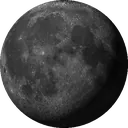
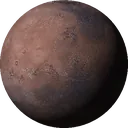
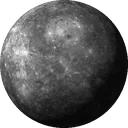
The Moon comes from NASA's LRO LOLA elevation data, Mars from NASA's MGS MOLA, and Mercury from the USGS elevation model made from NASA MESSENGER images. OrbitStudio Sky's stars come from the Bright Star Catalogue, down to magnitude 6, and its constellation figures from the IAU and Sky & Telescope. The planets and the Moon on a star map are computed for the moment you pick.
What is OrbitStudio?
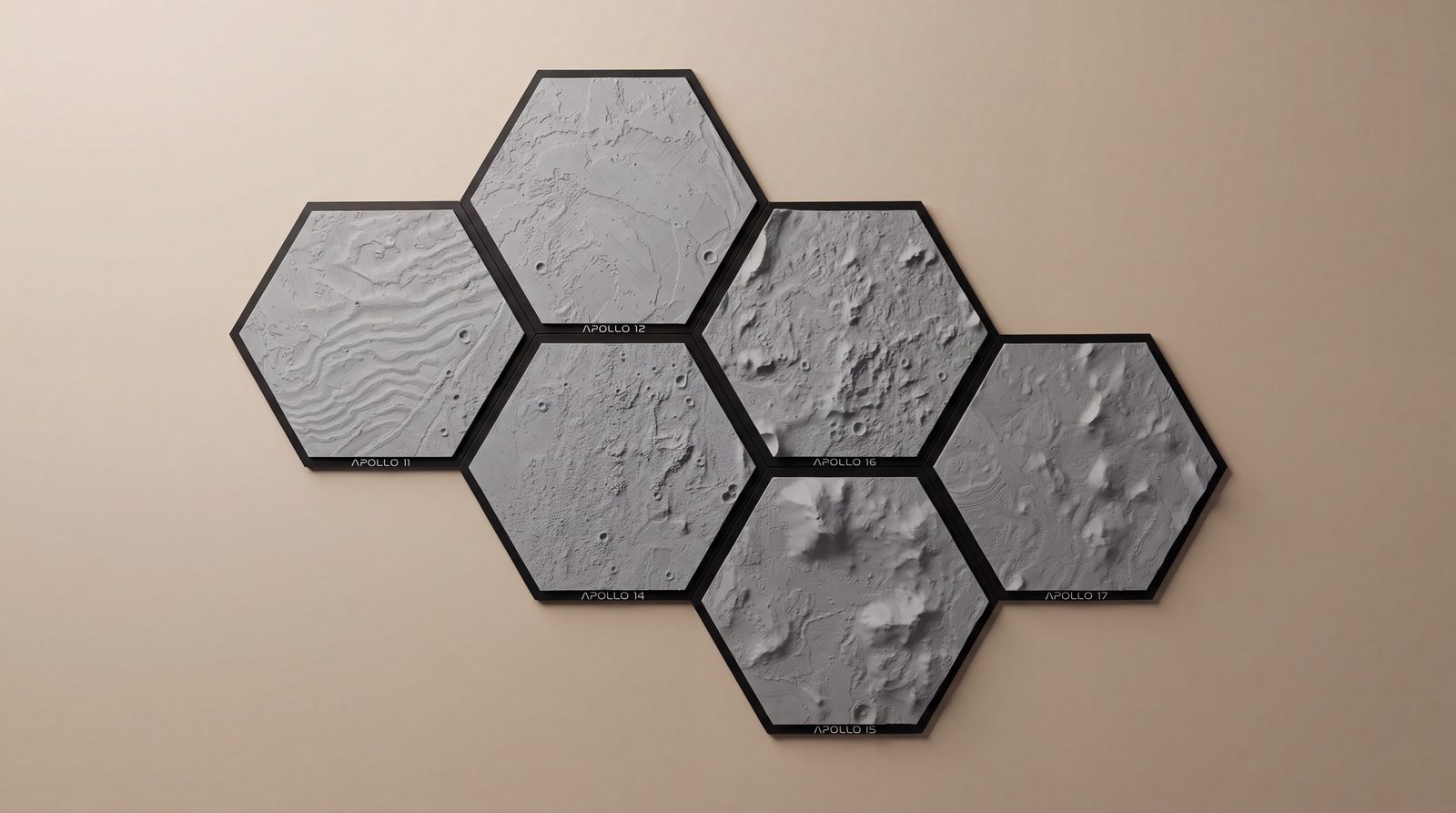
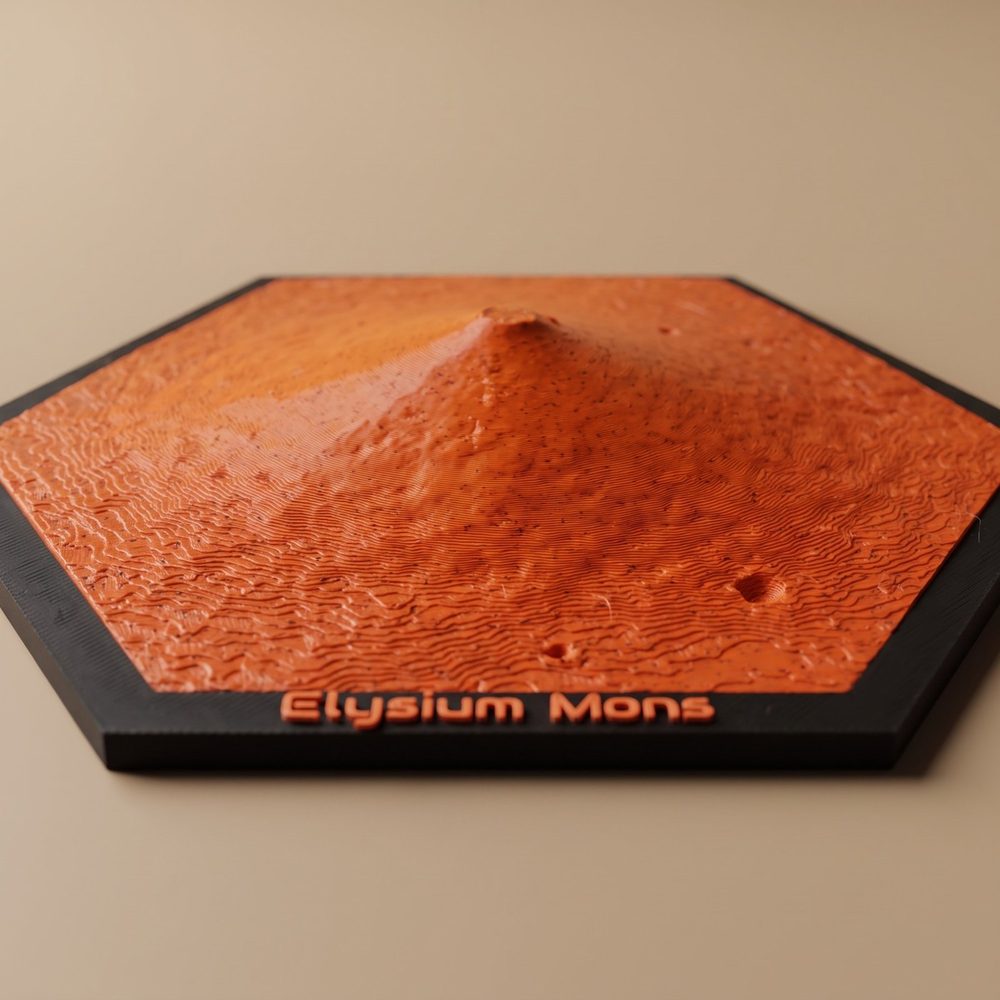
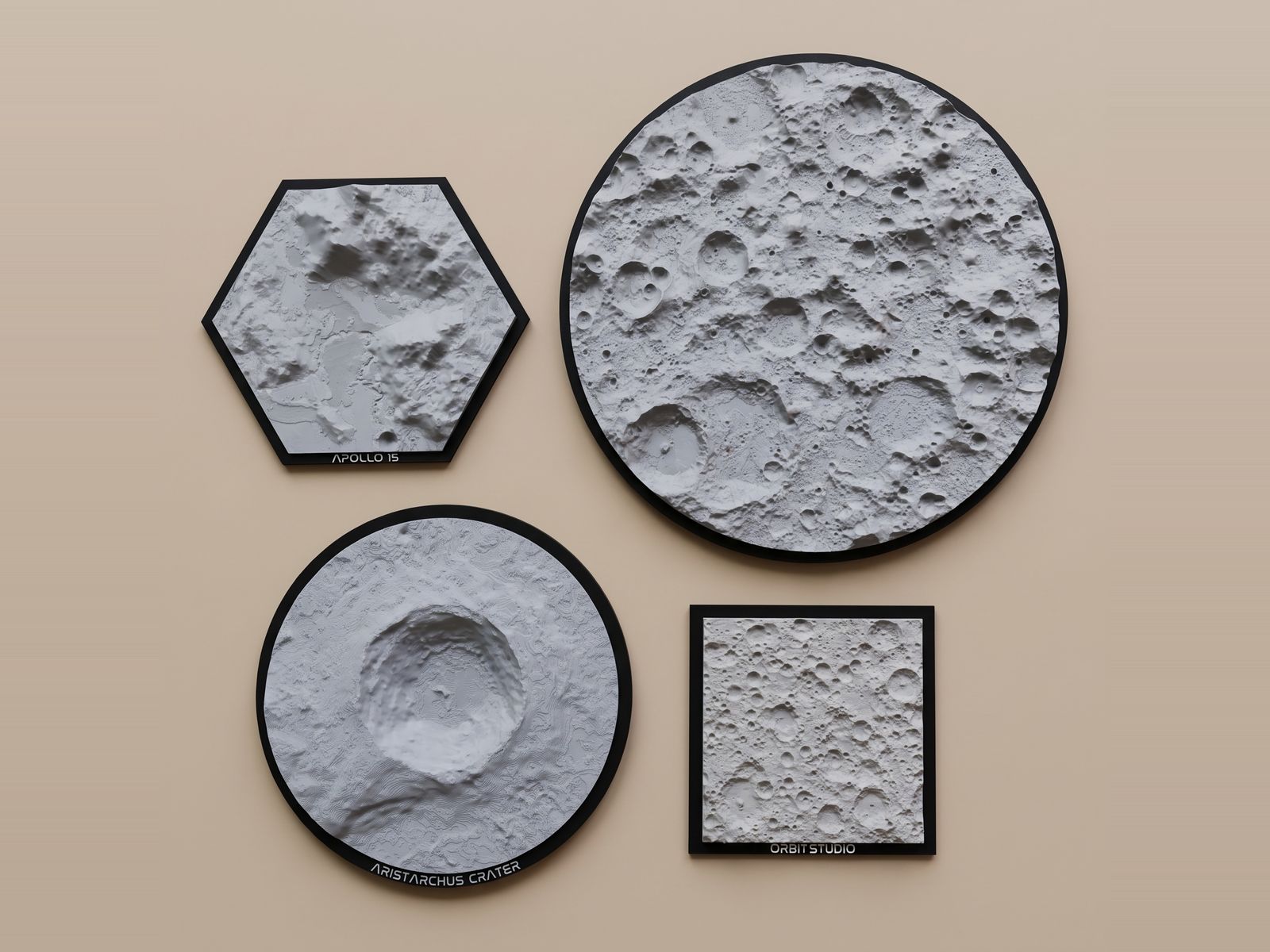
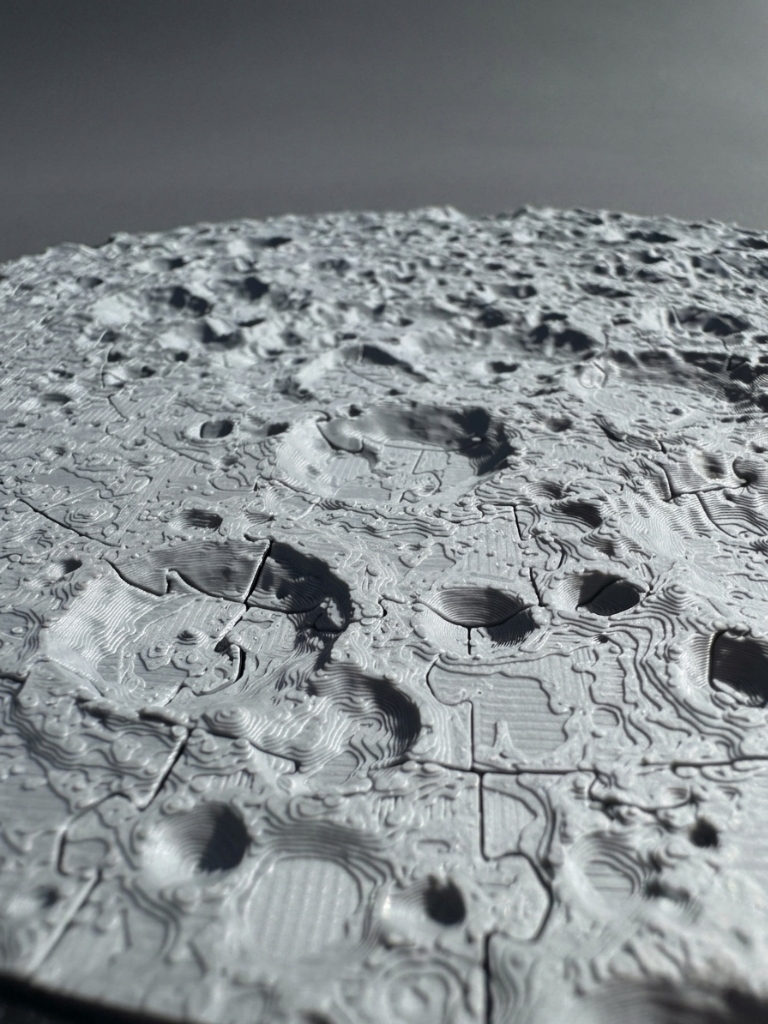
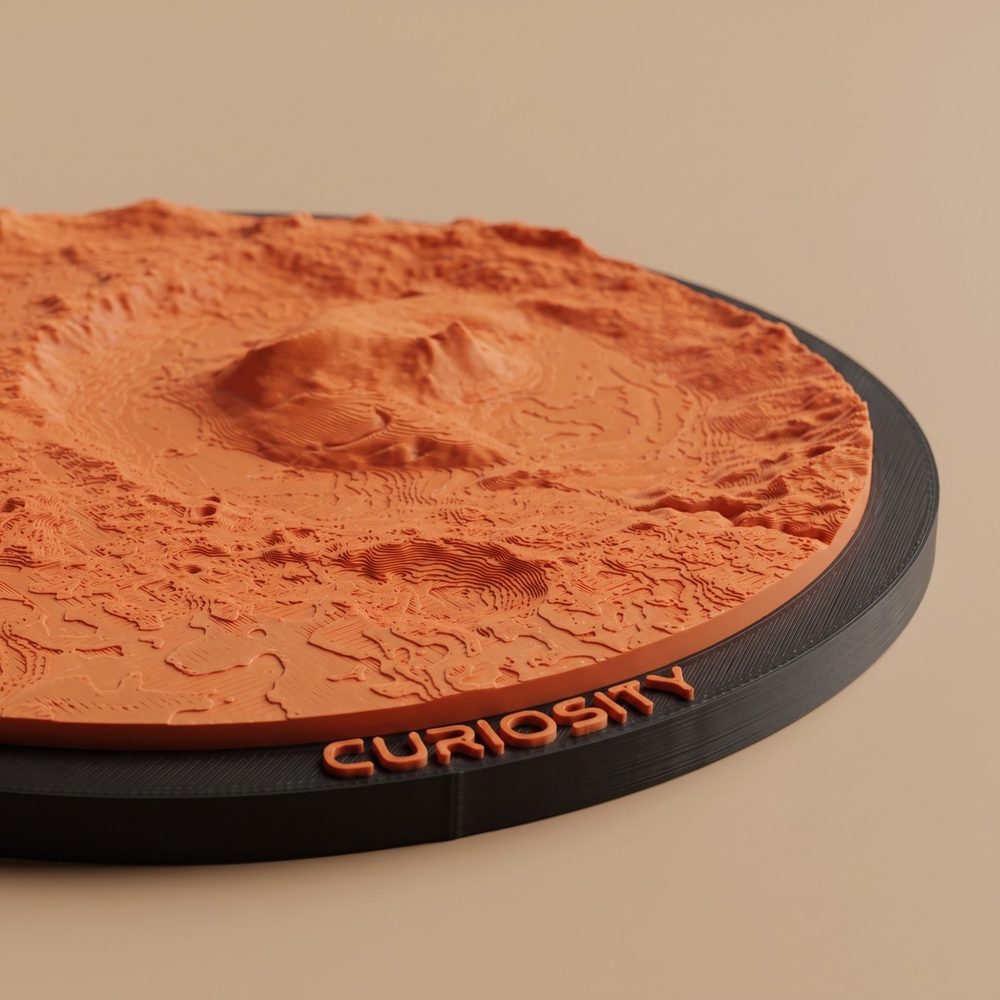
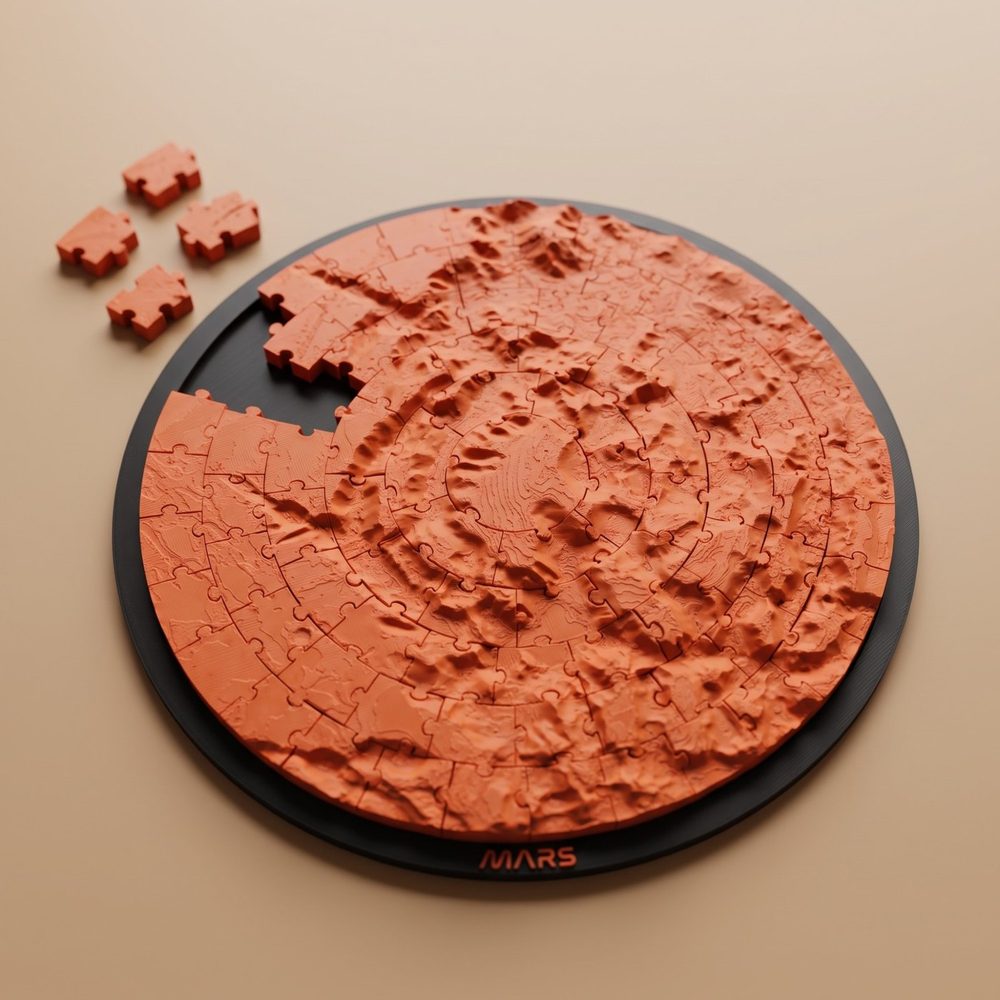
OrbitStudio turns real orbital elevation data into 3D-printable models. Pick a region of the Moon, Mars or Mercury, and it generates a jigsaw puzzle or solid ornament — downloadable as an STL file and a pre-configured, Bambu Studio-ready 3MF file.
What is OrbitStudio Sky?
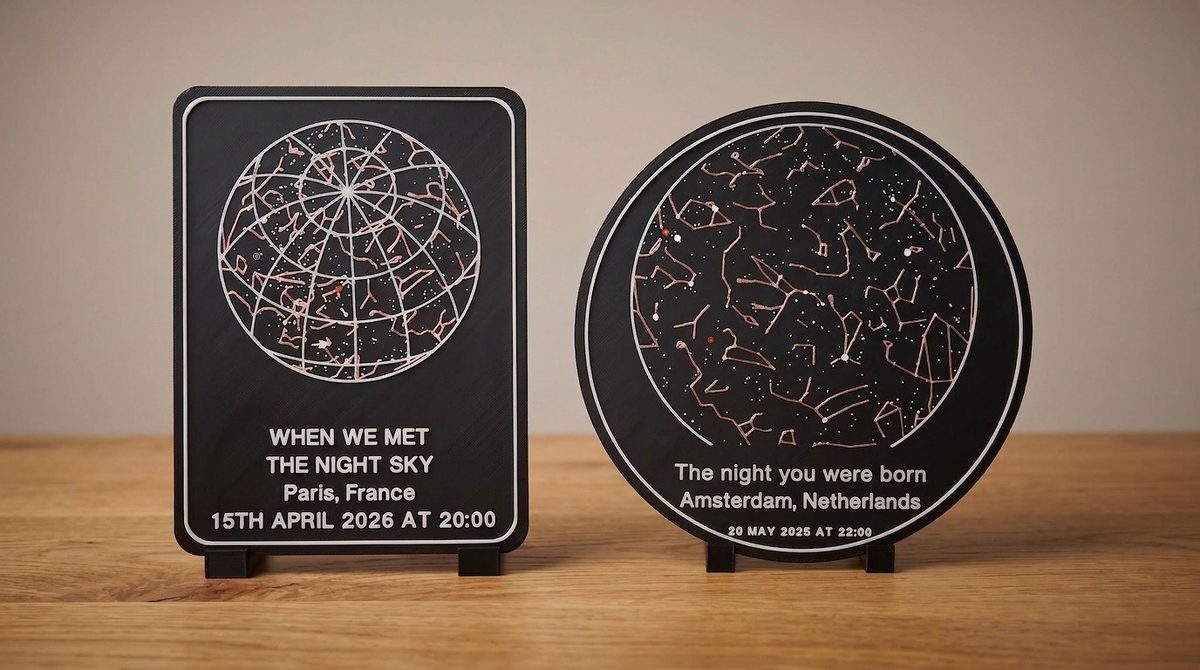
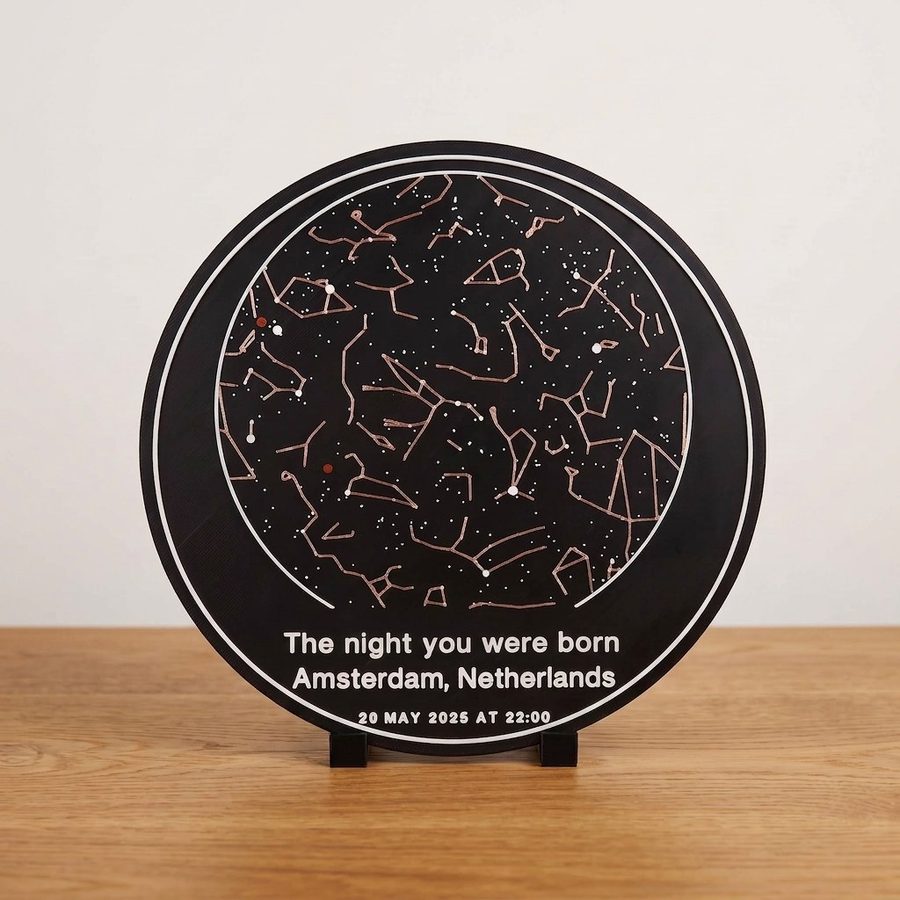
OrbitStudio Sky is OrbitStudio's tool for the night sky. Pick any place on Earth and any date and time, and it builds the sky over that spot as a star map plate: the stars down to magnitude 6, all 88 constellations, and the planets and the Moon where they stood. The chart is built in your browser. The STL is free and needs no account. The multicolor 3MF uses one credit from a pass, which covers that chart's desk stand too, and downloading the same chart again costs nothing more.
Do I need an account to use it?
Not to try it. Anyone can generate a terrain and preview it in 3D without signing up — guest models are held for 48 hours, then cleared. A free account needs no validation code and lets you slice that terrain into a puzzle, add text, name it and keep it in a library of three. OrbitStudio Sky needs no account at all to make a chart and download its STL. Downloading a terrain model or an OrbitStudio Sky 3MF is the part that needs credits from a pass, bought once on MakerWorld.
Is there a limit to how many models I can generate?
For Moon, Mars and Mercury terrain, yes — a fair-use limit, not a paywall. Without an account it's 10 generations per rolling 24 hours. A free account gets 15 per rolling 24 hours and 300 per rolling 365 days; an account with credits on it gets 100 and 5,000 over the same two windows. All of those sit far above normal use — they keep the service fast for everyone and stop automated scraping, not makers. Need more? Email us and we'll normally raise it. An OrbitStudio Sky chart you only make in your browser does not count toward it; one you save to your library counts the same as a generation.
Can I sell prints I make with OrbitStudio?
Every tier lets you print for yourself and give prints as gifts. Selling physical prints requires the Merchant tier — on that tier you can sell prints and use photos or video of them commercially, though the digital files themselves can never be resold or redistributed on any tier.
Is a printed puzzle safe for kids?
Printed puzzles are not toys and are not suitable for children under 3 — small interlocking pieces are a choking hazard. Keep printed pieces away from small children and pets, and supervise older children.
How accurate is the terrain — is it real NASA data?
Yes. The Moon comes from NASA's Lunar Reconnaissance Orbiter — LOLA elevation data and WAC imagery. Mars comes from NASA's Mars Global Surveyor — MOLA altimetry at up to 463 meters per pixel, with Viking MDIM 2.1 imagery. Mercury comes from NASA's MESSENGER — the USGS global elevation model at 665 meters per pixel, sharper toward the poles, with MESSENGER MDIS imagery. At the default 1x the heights are true to scale; many regions look flat that way, so a terrain exaggeration setting lets you raise them. Models are decorative representations, not survey-grade.
Can I get a refund on unused credits?
Credits and Passes aren't refundable once a code is redeemed, and they have no cash value. That's because access begins immediately when you redeem — this doesn't affect your statutory rights if something we deliver is faulty.
Can I delete my account and my data?
Yes, any time, from your account settings. We remove your account data within 30 days, except where we're required to keep records by law.


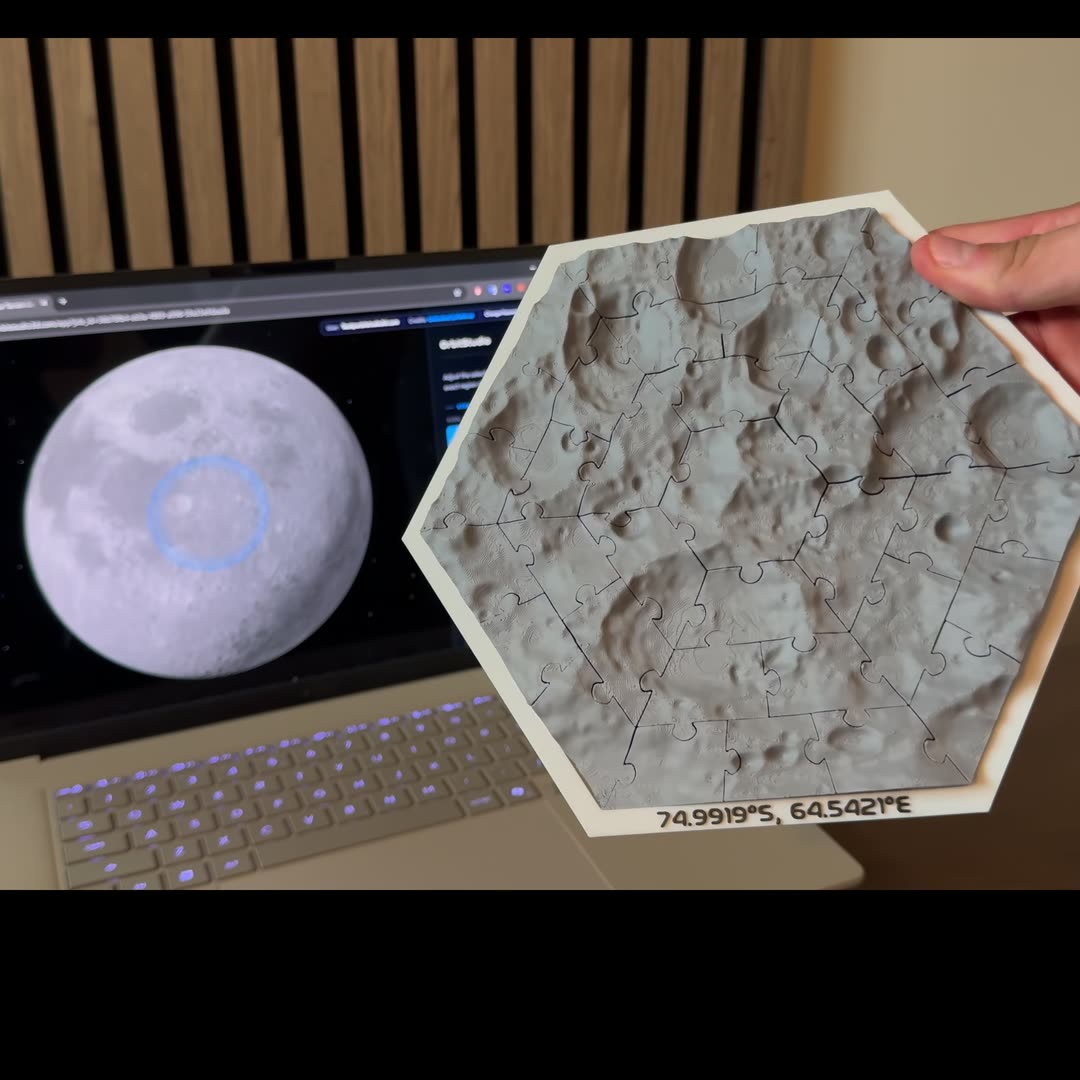

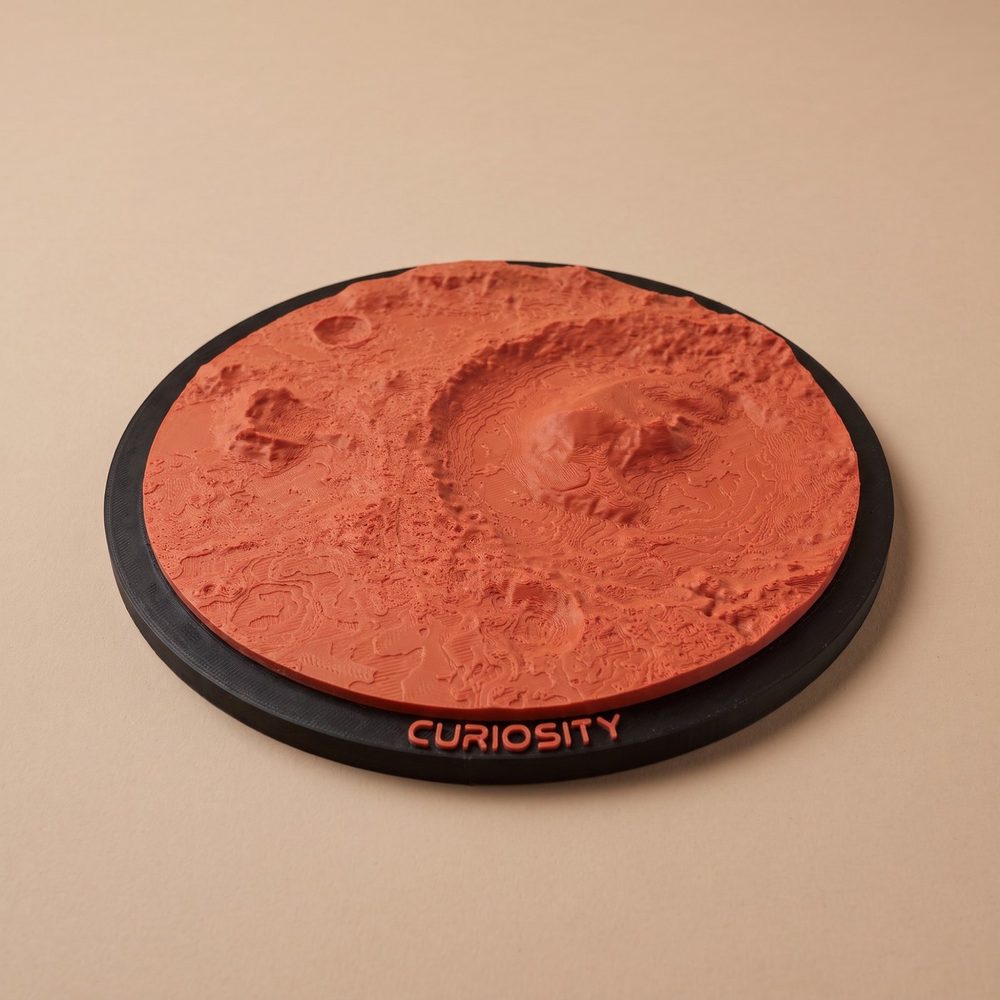
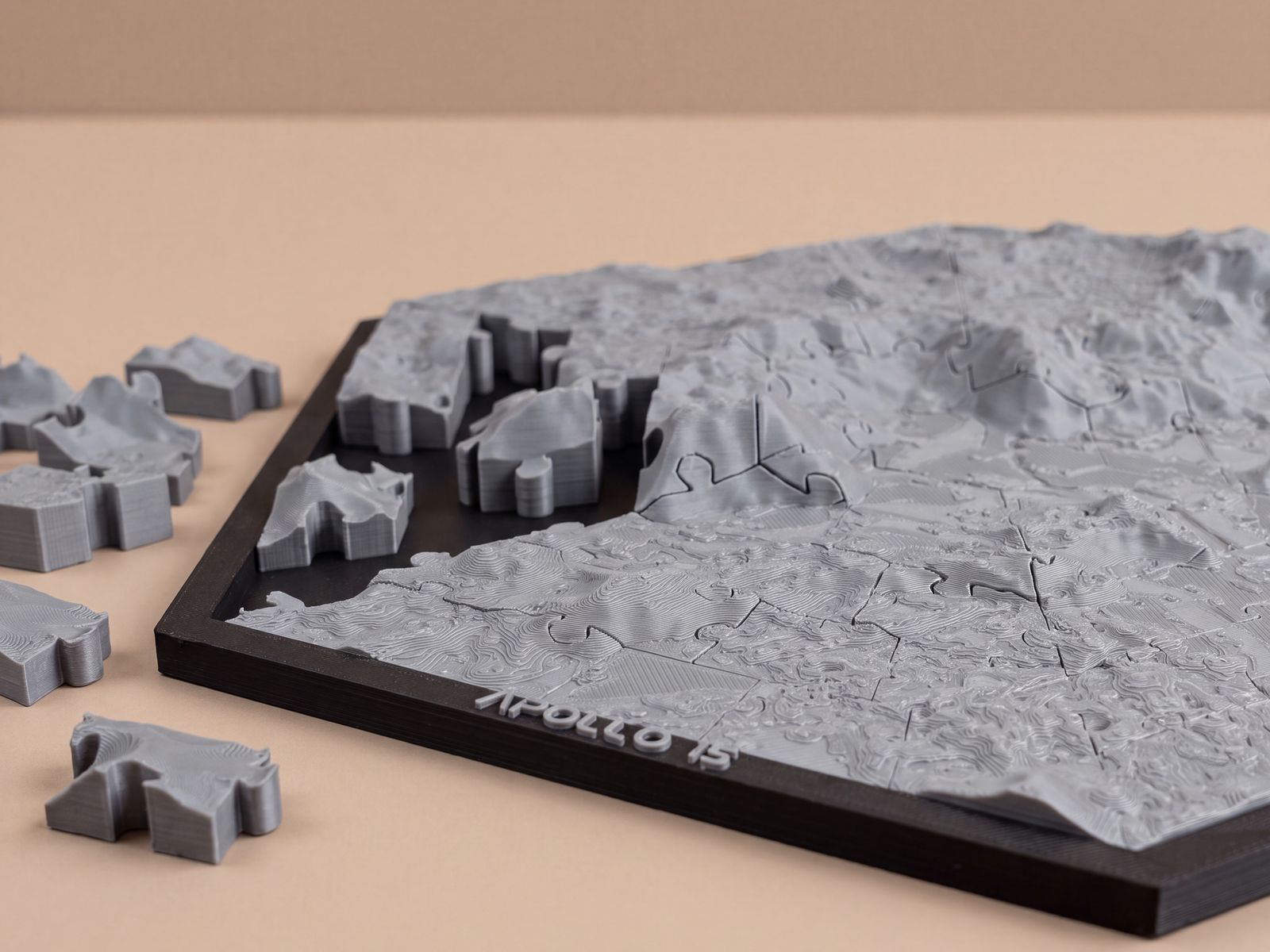 Apollo 15 · Moon
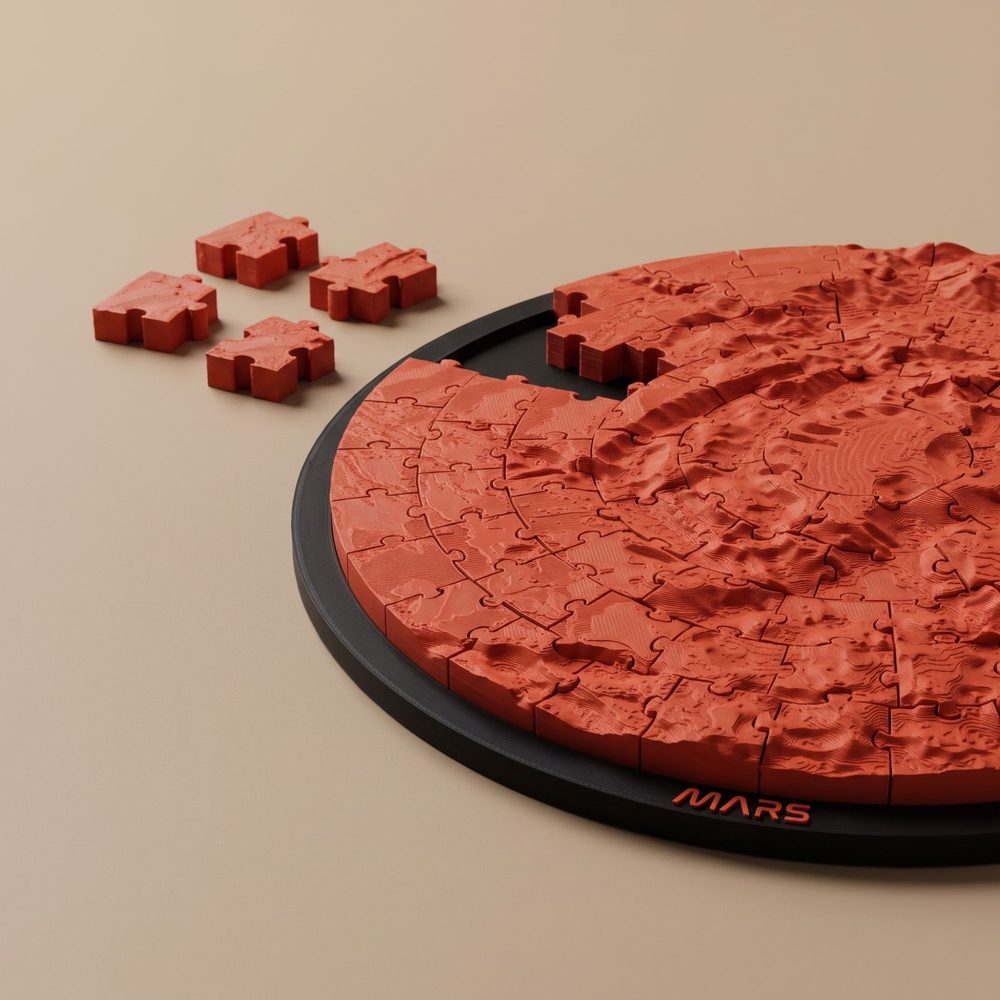 Mars · puzzle